
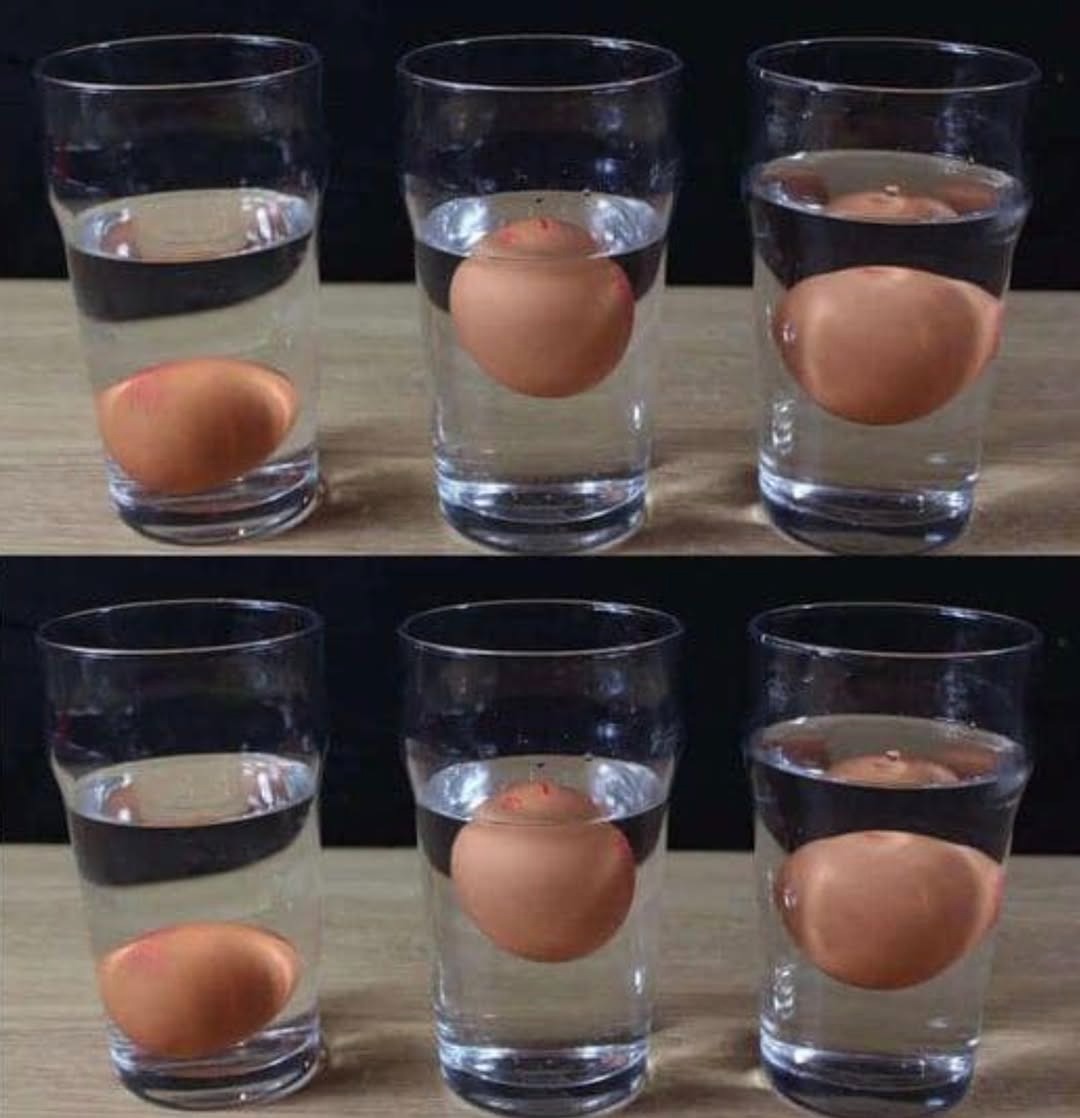
You’re halfway through making pancakes when you crack an egg into the bowl… and your nose wrinkles. That smell. Or maybe you’re cleaning out the fridge and find a carton with a date from “last season.” Suddenly, you’re stuck in that classic kitchen dilemma: Is this egg still safe—or is it a one-way ticket to food poisoning?
Good news: you don’t need to risk it. With a few simple, no-fail tricks, you can tell whether an egg is fresh, past its prime, or flat-out bad—in seconds. And spoiler: that weird “float test” your grandma swore by? It actually works.
Let’s crack this mystery wide open.
1. The Float Test: Science You Can Trust
Yes, it sounds like a middle school experiment—but the egg float test is legit. Here’s how it works:
Fill a bowl with cold water (enough to submerge an egg).
Gently place the egg in the water.
Watch what it does:
🟢 Sinks and lies flat on the bottom?
→ Very fresh—perfect for poaching, soft-boiling, or delicate dishes like custards.
🟡 Sinks but stands upright on the bottom?
→ Older but still safe to eat—great for hard-boiling, scrambling, or baking. Use within a day or two.
🔴 Floats to the surface?
→ Toss it. That air pocket inside has grown so large (from evaporation and gas buildup) that the egg is likely spoiled. Don’t crack it—just discard.
💡 Why it works:

